
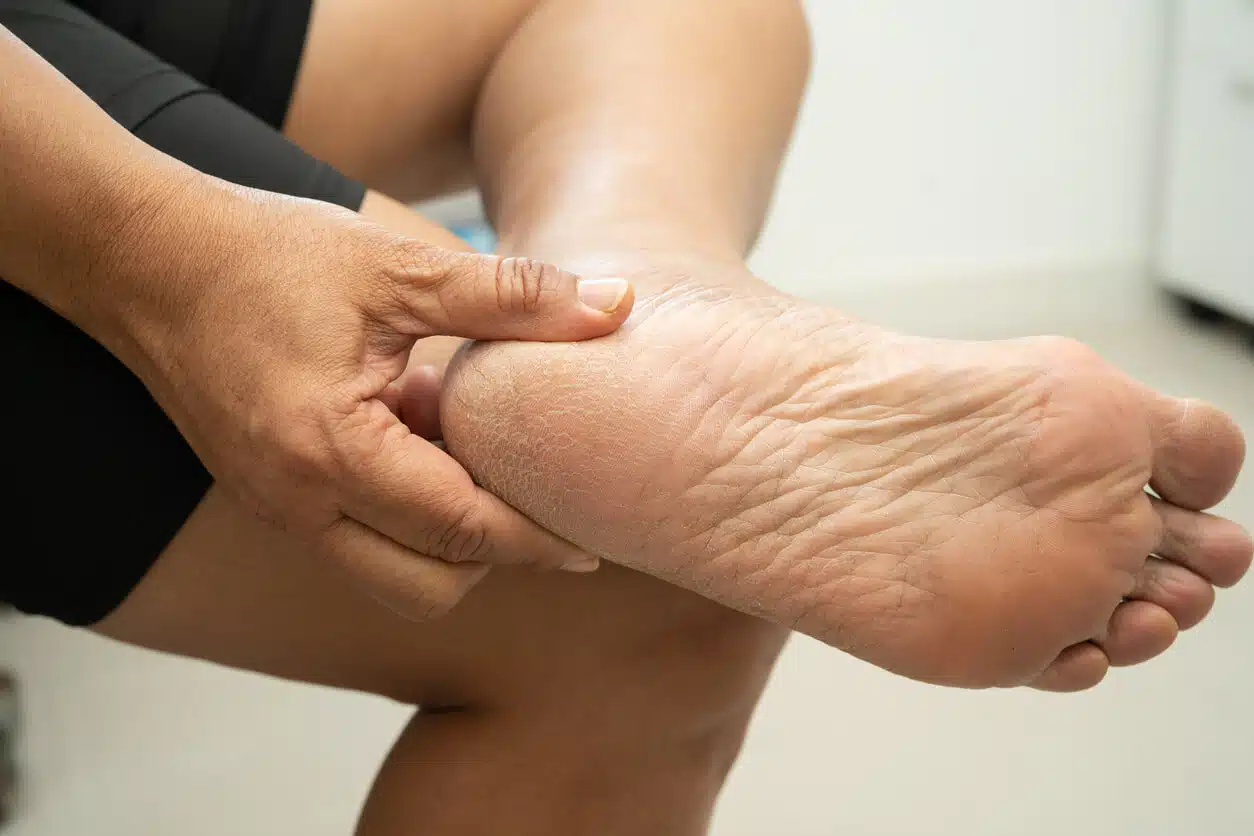
Managing diabetic foot problems at home is possible with the right knowledge, daily habits, and professional guidance from a podiatrist.
- Daily foot inspections matter. Checking your feet every day helps catch small wounds, blisters, or changes before they become serious infections.
- Proper foot hygiene and footwear protect nerves and circulation. Diabetes damages nerves and blood vessels in the feet, making simple habits like moisturizing and wearing supportive shoes critical to preventing complications.
- Early professional care prevents amputations. Routine podiatry visits are one of the most effective ways to manage diabetic foot problems and avoid severe outcomes.
Diabetic foot problems affect millions of Americans every year, and what starts as a small blister or dry patch of skin can quickly become a life-altering complication. According to the Centers for Disease Control and Prevention (CDC), approximately 37.3 million Americans are living with diabetes, and roughly half of them will develop some form of diabetic peripheral neuropathy — nerve damage that significantly increases the risk of foot injury.
The challenge with diabetic foot problems is that nerve damage reduces your ability to feel pain. A cut, sore, or ulcer can go unnoticed for days, creating the perfect conditions for infection. Poor circulation, another common complication of diabetes, slows healing and makes fighting off bacteria more difficult.
The good news is that with the right home care strategies, you can protect your feet, reduce your risk of complications, and preserve your quality of life. This guide covers practical, medically sound tips to help you manage diabetic foot problems at home — and explains when it is time to see a podiatrist.
Why Are Diabetic Foot Problems So Serious?
Diabetes affects the body in two major ways that harm the feet: nerve damage (peripheral neuropathy) and poor blood flow (peripheral artery disease). Together, these two conditions create a high-risk environment for wounds that do not heal.
A JAMA study found that approximately 19–34% of people with diabetes will develop a foot ulcer during their lifetime. That statistic alone underscores why daily foot care is not optional — it is essential.
Daily Home Care Tips for Diabetic Foot Problems
Taking care of your feet when you have diabetes does not require expensive products or complicated routines. Consistency is what makes the difference.
Inspect Your Feet Every Day
Check the tops, bottoms, sides, and between the toes of both feet every day. Look for:
- Redness, swelling, or warmth
- Cuts, cracks, or blisters
- Calluses, corns, or unusual growths
- Changes in skin color or nail appearance
Use a mirror to see the bottom of your feet if bending is difficult, or ask a family member to help. Catching problems early is the single most important thing you can do to prevent diabetic foot problems from progressing.
Wash and Dry Your Feet Carefully
Wash your feet daily with mild soap and lukewarm water — never hot water, as nerve damage may prevent you from sensing burns. Dry your feet thoroughly, paying close attention to the skin between your toes, where moisture can promote fungal infections.
Moisturize — but Not Between the Toes
Apply a fragrance-free moisturizing lotion or cream to the tops and bottoms of your feet to prevent dryness and cracking. However, avoid applying lotion between the toes, as excess moisture in that area increases the risk of fungal growth and skin breakdown.
Trim Nails Straight Across
Cut toenails straight across and file sharp edges gently. Never cut nails too short or at an angle, as this can lead to ingrown toenails — a minor issue for most people, but a potential infection risk for someone managing diabetic foot problems.
If nail trimming feels difficult or unsafe, a podiatrist can handle it during a routine visit.
Choosing the Right Footwear
What you put on your feet every day plays a major role in preventing diabetic foot problems.
Wear Properly Fitting Shoes
Shoes that are too tight, too loose, or poorly structured can cause blisters, pressure sores, and ulcers. Always measure both feet before buying shoes, as foot size can change over time. Look for:
- Wide toe boxes that do not compress the toes
- Cushioned, supportive soles
- Breathable materials that reduce moisture buildup
Never Go Barefoot
Walking barefoot — even indoors — dramatically increases the risk of stepping on sharp objects or developing friction injuries. Always wear shoes or protective slippers, including around the house.
Check Shoes Before Putting Them On
Before slipping on your shoes, run your hand inside to check for small stones, debris, or rough spots that could cause irritation. Reduced sensation means you may not feel a problem until it has already caused damage.
Managing Blood Sugar to Protect Your Feet
Blood sugar control is the foundation of managing diabetic foot problems. Chronically elevated glucose levels accelerate nerve damage and impair circulation, making foot wounds slower to heal and more prone to infection.
Health experts recommend working with your healthcare provider to maintain blood glucose levels within your target range, following a balanced diet, staying physically active, and taking medications as prescribed. Small improvements in blood sugar control can have a meaningful impact on foot health over time.
When Home Care Is Not Enough
Structured podiatry care, combined with patient education, significantly reduced the rate of serious foot complications in people with diabetes. This highlights an important truth: home care and professional care work best together.
Contact a podiatrist promptly if you notice any of the following:
- A wound or sore that is not healing within a few days
- Increasing redness, swelling, or warmth around any area of the foot
- Discharge or unusual odor from a wound
- Skin that appears dark or discolored
- New numbness, tingling, or pain
Do not wait to see if these symptoms resolve on their own. With diabetic foot problems, early intervention can mean the difference between a simple treatment and a serious surgery.
Frequently Asked Questions About Diabetic Foot Problems
Below are some common questions we get about diabetic foot problems.
How often should someone with diabetes see a podiatrist?
Most people with diabetes should schedule a foot exam with a podiatrist at least once a year. Those with neuropathy, poor circulation, or a history of foot ulcers may need more frequent visits — sometimes every one to three months.
Can diabetic foot problems be reversed?
Some early-stage nerve symptoms may improve with better blood sugar control, but nerve damage that has already occurred is often permanent. This is why prevention and early management of diabetic foot problems are so important.
Is foot pain always a sign of diabetic foot problems?
Not necessarily. However, any persistent foot pain, numbness, or tingling in a person with diabetes should be evaluated by a podiatrist. Pain can signal circulation problems, nerve damage, or structural issues that need treatment.
Get Expert Care for Diabetic Foot Problems in South Texas
Managing diabetic foot problems at home is a powerful first step — but it works best alongside professional care from an experienced podiatrist. The foot doctors at the Podiatry Group of South Texas have decades of experience helping patients in San Antonio, Boerne, Hondo, and Live Oak, TX, manage diabetic foot conditions with personalized, evidence-based treatment.
Do not wait for a small concern to become a serious complication. Schedule an appointment with the Podiatry Group of South Texas today by calling (210) 227-8700, option #2 or using our appointment request form.
